How to Stay Active & Engaged while Receiving Home Care
Staying active at home boosts fitness, lifts mood, builds confidence, protects mobility, and keeps people doing things that matter to them.
For senior clients receiving support at home from a caregiver, small, regular activities can make a huge difference, especially when part of a personalised plan recorded in the care notes.
Here, we suggest practical routines carers can weave into daily visits, from low-impact movement and social connection to meaningful hobbies and pet ownership.
Low-impact exercise that fits into care visits
Low-impact exercise is kinder to older joints helping balance, strength and stamina. No fancy kit needed, just comfortable clothes, supportive shoes and a safe space.
Encourage clients to try these simple workouts:
- Chair yoga (5–10 minutes): slow breathing, shoulder rolls, neck stretches, gentle side bends and ankle circles.
- Mini circuits (10–15 minutes): march in place, sit-to-stands from a sturdy chair, heel raises at the counter, wall push-ups.
- Balance: stand side-on to the kitchen worktop, lightly hold on and try a tandem stance (stand heel-to-toe like on a tightrope) for 10–20 seconds.
- Micro-walks: hallway laps, loop around the garden or to nearest lamppost and back.
Hobbies with purpose: gardening, music, crafts
Activity sticks when it’s meaningful. Hobbies offer gentle movement, purpose and easy conversation starters.
- Gardening for the elderly: raised beds, patio pots and easy-grip tools make it accessible. Try watering, planting herbs, deadheading or tidying for five minutes.
- Music: put on a favourite playlist and stretch to the beat. A supported kitchen-disco does wonders for mood.
- Creative flow: baking, colouring, knitting, scrapbooks or organising photo albums support fine-motor skills and spark memories.
- Tiny acts of purpose: letter writing, phoning a friend, bird feeding, caring for houseplants or sharing family recipes with grandchildren.
Invite family to join in where possible. Intergenerational activities build healthy relationships and keep everyone involved in the care journey.
Small steps to beat isolation
Loneliness in the elderly is sadly common and can affect sleep, appetite, mental and physical health. Age UK reported that in England, 270,000 people aged 65+ go a week without speaking to a friend or family member.
Weekly routine touchpoints could make a difference:
- Create a “tea & chat” rota: short, regular visits from neighbours or faith/community groups.
- Set up tech: keep a list of key contacts handy and save favourites on the mobile. Caregivers can help with video calls and show how to answer confidently.
- Try local: day clubs, gentle exercise classes that welcome carers, library talks or knit-and-natter groups.
- Conversation prompts: an old photo, a song, a newspaper headline — handy for carers to start warm, natural chats during visits.
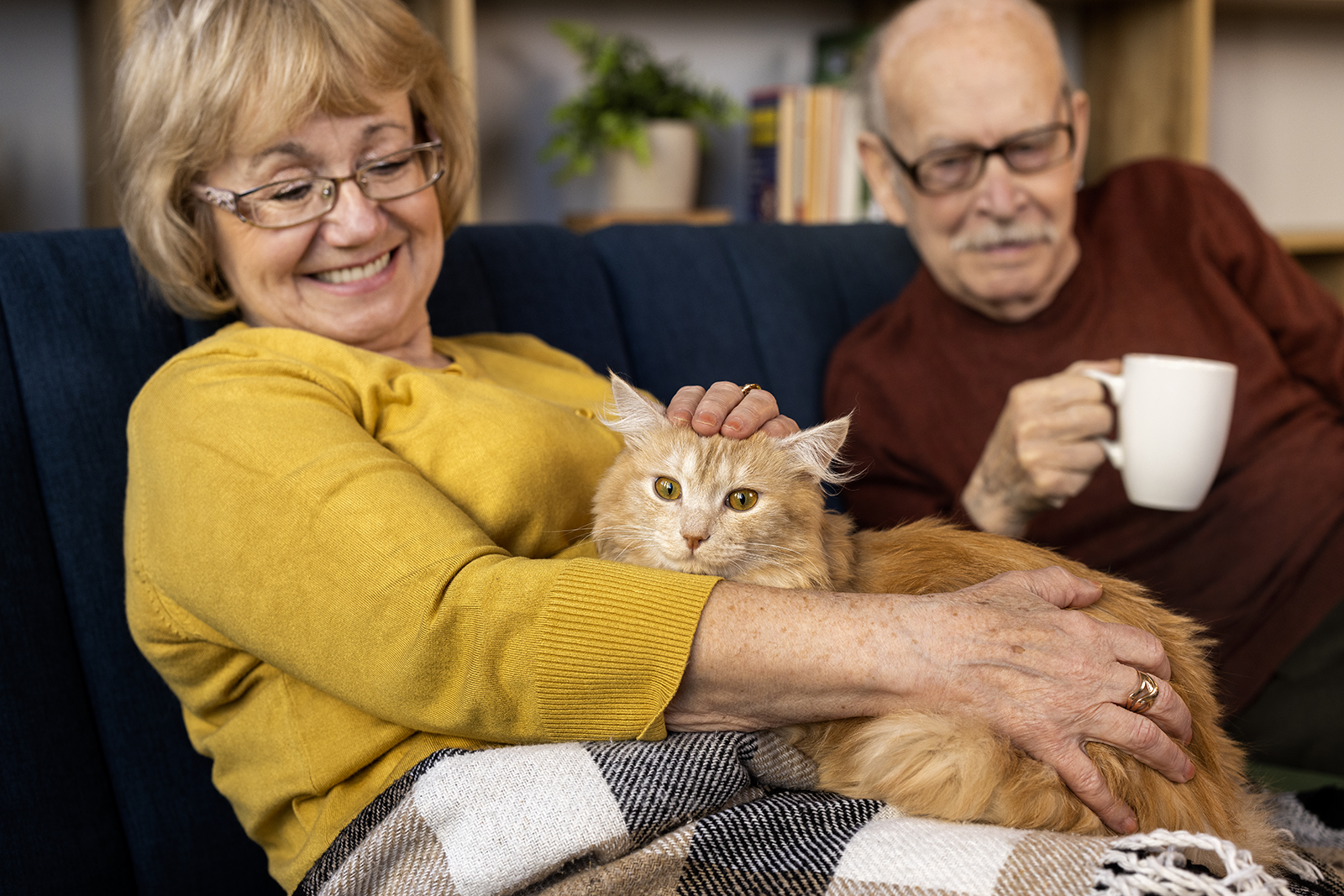
Pets: company, routine and a sense of purpose
For many people, a pet is a daily reason to get up, move and smile. Companionship can ease feelings of loneliness, reduce stress and bring structure to the day.
If someone is considering a pet while receiving home care, forward planning helps everything run smoothly.
Benefits at a glance
- Companionship: steady company between care visits with lots to talk about.
- Natural movement built-in: short dog walks, playtime or simple grooming.
- Routine and purpose: feeding times, fresh water, litter changes and short training tasks add gentle structure.
- Mood lift: touch, affection and playful moments brighten the day.
What to think about before adopting
- Match the pet to the person: energy levels, allergies, mobility, space and noise tolerance.
- Practical tasks: walks, litter trays, grooming and vet visits on low-energy days? Build these into the care plan and family rota.
- Costs: food, insurance, vaccinations and unexpected vet bills - sense-check the budget.
- Contingencies: agree who will look after the pet for hospital stays or respite.
Alternatives to ownership
- Borrow-a-pet schemes or neighbourly dog-walking.
- Therapy-animal programmes such as Pet Pals Therapy, bring trained dogs (and sometimes cats or small animals) to visit people at home.
Carers can log pet-care tasks in the visit schedule, track allergy issues and share cheerful updates with family - a waggy tail or a cosy cat nap can brighten everyone’s day.
Simple brain boosts
Mental stimulation doesn’t need to feel like homework. Keep it short, fun and varied.
- Crosswords, word searches, dominos or card games.
- Audiobooks, reading a poem aloud and chatting about a favourite line.
- Learn one new thing each day: a flower name spotted on a walk, quiz fact from the radio, five-minute tutorial watched together.
- Everyday life admin: planning meals, checking the shopping list, counting change - all useful brain work.
Rotate activities and note your client’s favourites in the care plan, so different caregivers can pick them up with confidence.
Good communication keeps it on track
Effective communication in care starts with what matters most to the person: their goals, worries, daily rhythms, culture and faith.
Build the plan together with family and the caregiver, keep language plain and introduce one change at a time.
Practical tips for sticking with it:
- Habit stacking: tag exercises onto existing routines - after morning wash, before lunchtime cuppa or while the kettle boils.
- Visible cues: print a weekly activity plan; use checkboxes and large text.
- Offer choices, not instructions: “Would you like the chair routine or the garden round?”
- Celebrate small wins: a tick on the chart, a quick message in the Family & Friends app, a shared photo of the herb pot sprouting.
Caregivers can record progress in real-time and flag changes to the care coordinator, helping domiciliary care agencies spot trends and tweak support quickly.
How TagCare can help
With TagCare’s all-in-one homecare software, it’s easy to build activity into everyday care:
- Care planning: create a short, personalised activity plan, attach to visit tasks and track what was completed and how it felt.
- Reminders: schedule prompts for movement “snacks”, hydration, social calls and pet-care tasks so nothing gets missed.
- Family & Friends features: keep relatives in the loop with real-time updates and photos of achievements - a finished puzzle, a potted herb or a happy pet.
- Insights: spot patterns over time (for example, balance work leading to fewer near-misses) and adjust support at the right pace.
Activity helps clients feel brighter, stay independent and enjoy daily life. Encourage them to start small, keep it regular and build from there.
If you’d like support creating a personalised activity plan for clients that fits into care visits and daily routines, chat to one of our friendly team on 01254 819205 or email howcanwehelp@tagcare.co.uk





 Innovative
  Trusted by hundreds of homecare companies to help the homecare frontline, to care better.