From “Care Package” to Personal Life Story: Using Life Histories in Care Planning
Picture a carer arriving at a new client’s home for the first time. They have a care plan: medication times, mobility needs, task list. What they don’t have is a sense of the person waiting on the other side of the door. What do they prefer to be called? What did they spend 40 years doing for work? What music makes them smile or what topic of conversation lights them up?
That gap, between a standard care package and a real human being, is exactly where life story work sits. For UK homecare agencies to deliver care that is genuinely person-centred, it’s one of the most practical tools available.
What is Life Story Work in Care?
Life story work is gathering information about a person’s history, preferences, relationships and routines, and using that information in how care is planned and delivered. The goal is to understand the individual behind the medical condition or care need, and not just the tasks on a list.
Information typically covers:
- Early life: birthplace, childhood, schooling, first memories.
- Working life and roles: careers, skills, things the person is proud of.
- Family and close relationships: names and connections that matter.
- Hobbies, interests and tastes: music, sport, gardening, television, books.
- Daily routines and preferences: how they take their tea, what helps them feel settled.
The importance of sharing information in health and social care is well-established. Client involvement in care, (genuinely involving people in decisions about their own health and treatment), consistently leads to improved outcomes and a better experience. Life story work puts that principle into everyday practice.
Why Life Histories Lead to Improved Safety and Quality of Care
When a carer knows what is normal for a person, they are better placed to notice when something is off. A client who is usually chatty and engaged but seems withdrawn. Someone who always finishes their breakfast but has left it untouched three mornings in a row.
These small signals matter and they are much easier to catch when the carer has a real sense of the person.
For people living with dementia, familiarity is particularly valuable. When care feels connected to a person’s real identity, routines, music, meaningful objects, familiar names, it reduces anxiety and agitation, supports communication, and helps the person feel less disorientated. It also feeds into relationship-based practice, the approach of building genuine, consistent relationships between carers, clients and families.
Life story work is not only relevant for dementia care. For any homecare client, knowing their background and preferences helps carers deliver support that feels respectful and relevant. That leads to greater trust, better cooperation, and honest communication when something changes or feels wrong.
For the care team, there’s a real benefit too. Carers who understand the people they support tend to find their work more meaningful. That matters in a sector where retention is a genuine challenge.
What Goes Into a Life History?
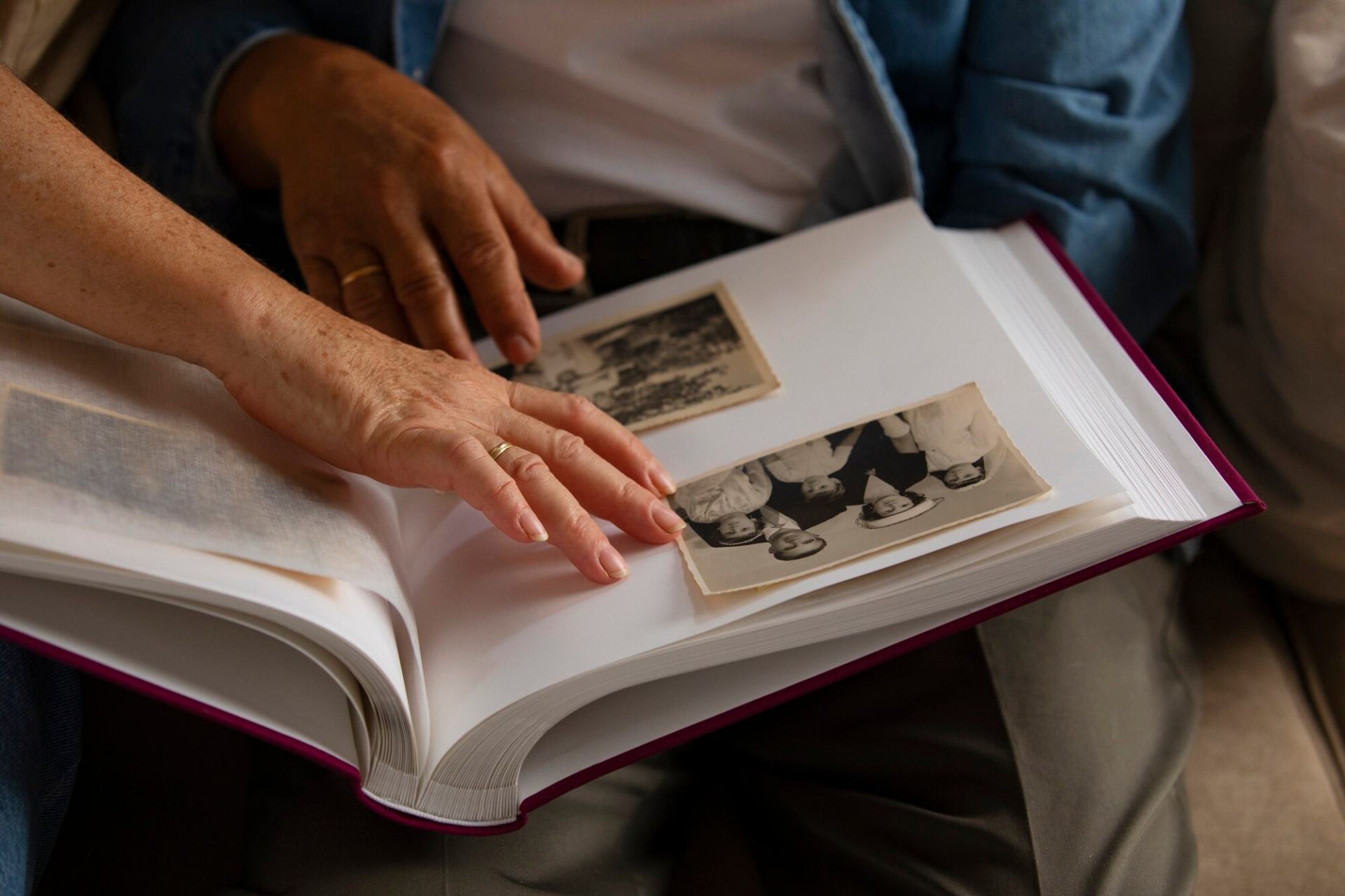
Building a life history is not form-filling but an ongoing conversation, developed over time through gentle questions, family input and observation. Some clients will enjoy sharing stories. Others will open up gradually. The process itself, when done well, is part of building a relationship.
Outputs can take different forms, depending on the person and agency:
- A life story book — a simple, personal document with photos, key facts and the client’s story in their own words.
- A memory box — meaningful objects that prompt chats and connection.
- A digital profile within a care app or home care software — accessible to the whole care team and updated as preferences change.
Of course, we need to highlight the digital option because it solves a practical problem. A paper life story book might sit in a folder. A digital profile in a care management system can travel with the client, visible to whoever is covering the visit, and updates in real time when something changes.
That’s what makes life story information genuinely useful across the whole care team, rather than known only to one or two regular carers.
Life Story Work in Practice: Small Details, Big Difference
The most powerful thing about life history information is how it shows up in everyday care. No grand gestures, but small, specific moments to tell someone “we see and know you”.
- A client who spent decades growing vegetables might enjoy a short conversation about their allotment, while a carer helps with their morning routine.
- Someone who always loved a particular era of music could respond noticeably better when it plays softly in the background.
- A client who prefers a nickname, or who always greets visitors with the same dry joke, will notice if a carer meets them where they are.
This is positive care in practice; support shaped around the person. And it has a real effect on how visits feel, for both the client and the carer.
For homecare agencies, patient involvement in care doesn’t need to mean lengthy reviews and formal consultations. It can be as straightforward as keeping life history information accurate, accessible and genuinely used. That requires a culture of listening and systems that make it easy to share.
Good home care software supports that. When life history details sit inside a digital care plan, accessible through a carer app at the point-of-care, they stop being background notes and become part of how day-to-day care is delivered. If a cover carer steps in, they’re not starting from scratch.
Digital Care Planning That Feels Human
There’s a common concern that moving to digital care records makes things feel more clinical. In practice, the opposite is true if the system is set up thoughtfully.
A paper care plan has limited space. A digital care record, built on the right care agency software, can hold far more of the person - their preferences, history, relationships, communication needs; the things that matter to them on a given day. It can be updated when something changes, rather than waiting for a review cycle. Family members can be kept in the loop, with appropriate consent, reducing the anxious back-and-forth that often falls to care coordinators.
The importance of sharing information in health and social care is not just a principle for hospitals and GP surgeries. In domiciliary care, it’s the difference between a carer walking into a visit informed or walking in cold. The care management software UK agencies use means sharing is faster, clearer, and more consistent.
Ready to Make Life Histories Part of Your Care Planning?
If your agency is working towards more person-centred care, life story work is one of the most practical places to start. Dedicated home care software can make it far easier to gather, store and use that information consistently across your team.
At TagCare, our care planning tools are built for UK homecare agencies that want calmer operations and more human care. Get in touch for a friendly chat and a no-pressure demo, and find out how digital care plans hold much more than just a task list.



 Innovative
  Trusted by hundreds of homecare companies to help the homecare frontline, to care better.