Safer Care for the Elderly Community: Using Software Alerts to Spot Risks Early
It often starts with something small. A phone call that goes unanswered for longer than usual. A missed lunch. A slightly different tone of voice down the phone. For families with older or vulnerable relatives, these little things can be a real worry, and for home care agencies, catching them before they turn into a crisis is one of the trickiest parts of the job.
Safety concerns for the elderly rarely come with a flashing warning sign. But with the right care management technology doing some of the watching for you, agencies can spot small changes long before they become an emergency, and that gives people receiving care, families and care teams, more peace of mind.
So, what are we actually talking about? In plain English, software alerts are digital tools built into home care software and wider care management technology that keep an eye on a client's wellbeing and automatically flag anything unusual in real time.
Instead of waiting for the next scheduled visit to find out something's wrong, these systems work quietly in the background, spotting patterns a busy carer or worried family member might easily miss.
A few examples include:
- Electronic early warning scores, which track vital signs over time and flag any decline.
- Real-time vital sign monitors, covering heart rate, oxygen levels and blood pressure.
- Automated risk alerts built into scheduling and care planning software.
- Telecare sensors that pick up falls, prolonged inactivity or unusual changes in routine.
Used well, these tools won’t replace a carer's judgement but back it up, giving your team the information they need to act quickly and calmly, rather than firefighting after the event.
Fall Prevention and Early Warning Signs
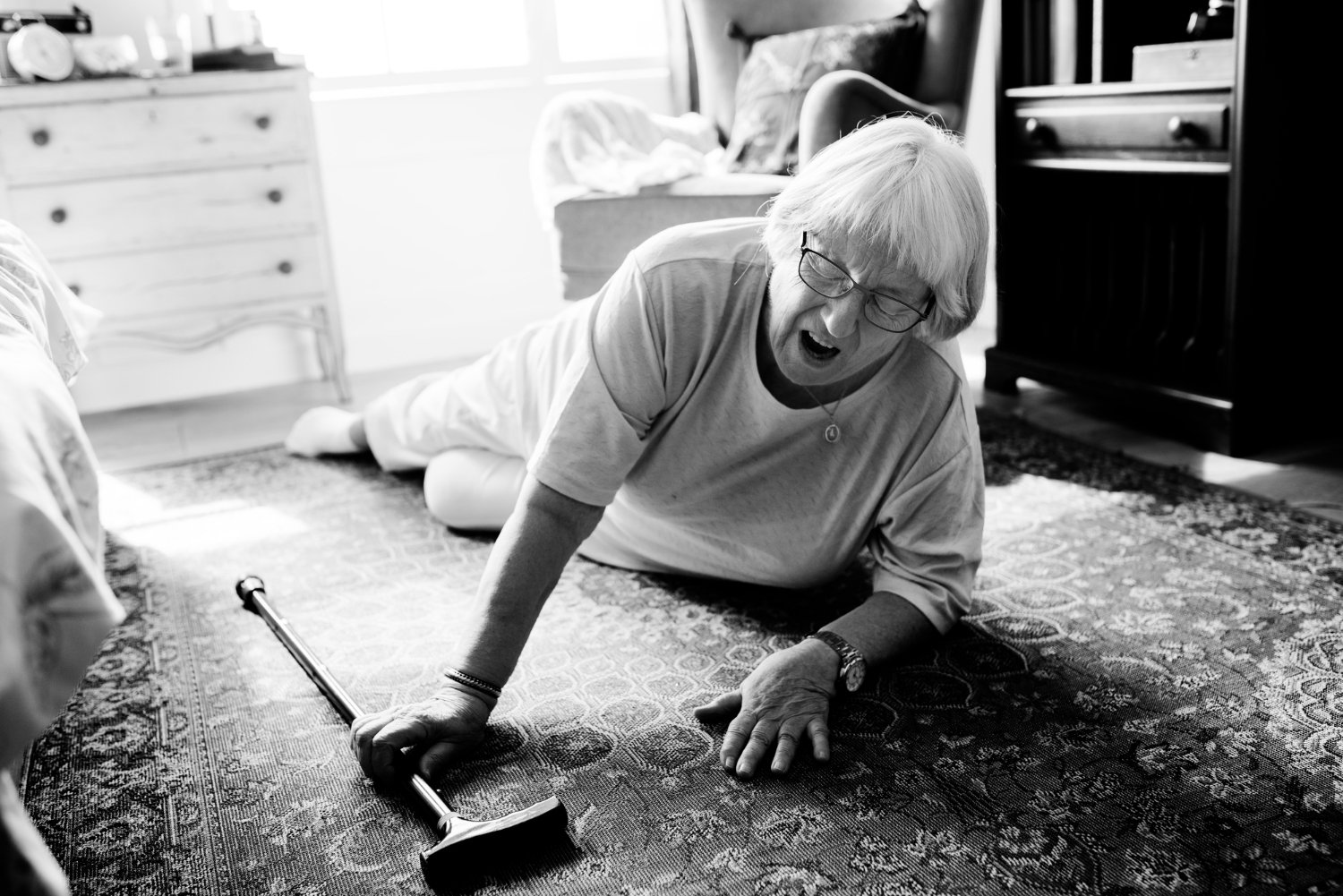
Falls are still one of the biggest risks facing older people living at home and they rarely come out of nowhere. A change in someone's walk, a missed dose of medication, a dip in confidence, any of these can raise the risk long before an actual fall happens.
This is where software alerts really come into their own. Motion sensors and activity monitoring can flag when someone hasn't moved for longer than usual, or when their routine has shifted in a way that's worth a second look.
Fall prevention isn't just about the fall itself, though. It's also about the bigger picture of safety concerns for the elderly: things like missed meals, a too-cold home, or a change in mood that often creeps in alongside physical decline. Falls Prevention Awareness Week lands in September, so now's a good time to check how well your current systems support fall prevention, rather than leaving it until autumn.
Faster Response, Fewer Hospital Admissions
Once an alert fires, what happens next matters as much as the alert itself. A well set-up system means a coordinator or carer sees the notification straight away and can pick up the phone, pop round or get a GP involved, rather than the issue sitting there unnoticed until the next visit.
That speed genuinely makes a difference. Catching something in the early stages, rather than after it's turned into a full-blown emergency, can be the difference between a phone call and a trip to A&E.
It also means care and support needs don't just get set once and forgotten. They can be reviewed and tweaked as things change. If someone needs a bit more support with mobility, or closer eyes on their medication, an agency with good visibility can respond and adapt quickly, rather than waiting for the next formal review.
For families, that often means less anxious calls to the office. And for the wider health service, it can mean fewer avoidable hospital admissions, which matters when A&E departments and community teams are already stretched thin.
The CQC and Managing Risk Well
But software alerts aren't just handy for day-to-day care; they help with the paperwork side of things too and that matters when it comes to the CQC and managing risks across your service.
Inspectors want to see you're actively involving people in identifying and managing risks to their own safety, not just reacting once something's already gone wrong. Time-stamped alert data, clear records of what was flagged and how your team responded, plus solid evidence of person-centred care, all help build that picture.
Instead of digging through paper files or trying to remember what happened three weeks ago, agencies using digital systems can pull up a clear, dated trail showing exactly when a risk was spotted and what was done about it. That's a much calmer approach managing daily risks, rather than scrambling for information just before a CQC inspection.
Keeping It Person-Centred, Not Just Automated
None of this works if the alerts feel intrusive or if they replace the relationships that good care is built on. The best systems are set up around the individual, with thresholds and monitoring tailored to what genuinely matters for that person, rather than one blanket setup applied to everyone on your books.
Person-centred care is knowing what's normal for an individual: their routines, usual mood, how active they typically are, so that alerts mean something rather than becoming background noise. A system built around someone's actual care and support needs will pick up on genuine changes early, leaving them free to get on with their day without feeling like they're being watched.
At TagCare, we think technology should sit quietly in the background, backing up your carers and families rather than taking over from them.
Ready to Bring Smarter Safety Alerts Into Your Care?
If you want to catch safety concerns for your elderly clients earlier and respond faster when something changes, the right home care software can make a genuine difference. TagCare brings scheduling, care planning software, digital records and real-time alerts altogether in one place, so your team always has the full picture, not just bits of it.
Since 2000, we've helped hundreds of UK homecare agencies deliver safer, more responsive care without piling more admin onto coordinators and carers.
Want to find out how software alerts could work for your agency? Give our friendly team a call on 01254 819205 for a no-pressure chat.




 Innovative
  Trusted by hundreds of homecare companies to help the homecare frontline, to care better.