Delivering Person-Centred Care with Data-Driven Tools
In the domiciliary care sector, a person-centred approach is at the heart of good care.
Person-centred care is about seeing the person behind the needs and making sure their circumstances, preferences and values shape the way they're looked after.
Here, we explore how data-driven digital tools can help home carers deliver person-centred care and make care planning more precise, responsive and empathetic.
Understanding Person-Centred Care and Why It Matters
For a truly person-centred approach, the individual must be involved in the decision-making process. Care planning must take a person’s condition, personal attributes and choices into account.
Having tailored support can have a significant impact on a person’s quality of life and overall happiness. When someone feels genuinely listened to and respected, their physical and emotional health improves markedly.
It also helps create independence and choice - two things that are vital for self-esteem, especially in later life.
And when you throw digital tools into the mix, it becomes easier to give that kind of thoughtful, tailored care every day.
Introducing Technology Smoothly to Older Adults
Bringing new technology into the daily lives of older people can feel a bit daunting - both for carers and the individuals themselves.
Elderly individuals may initially find tech overwhelming or intimidating, particularly if they haven’t grown up using digital devices.
But with the right approach, the transition can be smooth and even enjoyable.
A few tips that can make all the difference:
- Start small: Introduce one device or tool at a time so it doesn’t feel overwhelming.
- Use plain language: Skip the technical jargon and keep things simple and relatable.
- Get families involved: Having a familiar face around when showing someone how something works can be reassuring.
- Show don’t tell: Hands-on demos can help build confidence far better than instructions.
- Be patient: Repeating things is okay. Everyone learns at their own pace.
- Celebrate small wins: Even getting comfortable with a basic feature is a step forward worth recognising.
With kindness and consistency, older adults can start to feel confident about using new tools that make their lives easier and safer.
Sometimes, showing how a device can help them stay in touch with loved ones or live more independently is all it takes to spark interest.
How Digital Care Planning Software Makes a Difference
Digital care planning software is changing the game in home care. It makes things more organised, saves time and helps keep everyone on the same page.
With the right system in place, carers can:
- Cut down on paperwork and spend more time with the people they support.
- Keep care notes accurate and up-to-date.
- Update care plans instantly and share them with the team.
- Stay on top of CQC compliance without the usual stress.
- Improve communication across the board.
It’s all about making life easier for carers and better for those receiving care. Having everything in one place makes things feel more joined-up and less stressful.
It also means if someone new joins the care team, they can get up to speed quickly, which is especially important in a sector where staff turnover can be high.
Fay from ProFad Care Agency told us: “The system has made such a big difference to ProFad. When we have new staff on board, we’re able to train them quickly – and with the additional support included from the Tagtronics Care team, new carers can pick up the system within a day or two.”
From a management point of view, care planning software helps track outcomes, spot patterns and make smarter decisions. It supports a proactive approach rather than reacting after problems arise.
Whether you're a small homecare agency or a larger provider, these tools can scale with you and adapt to the specific needs of your service.
The Growing Role of Wearable Technology in Personalised Care
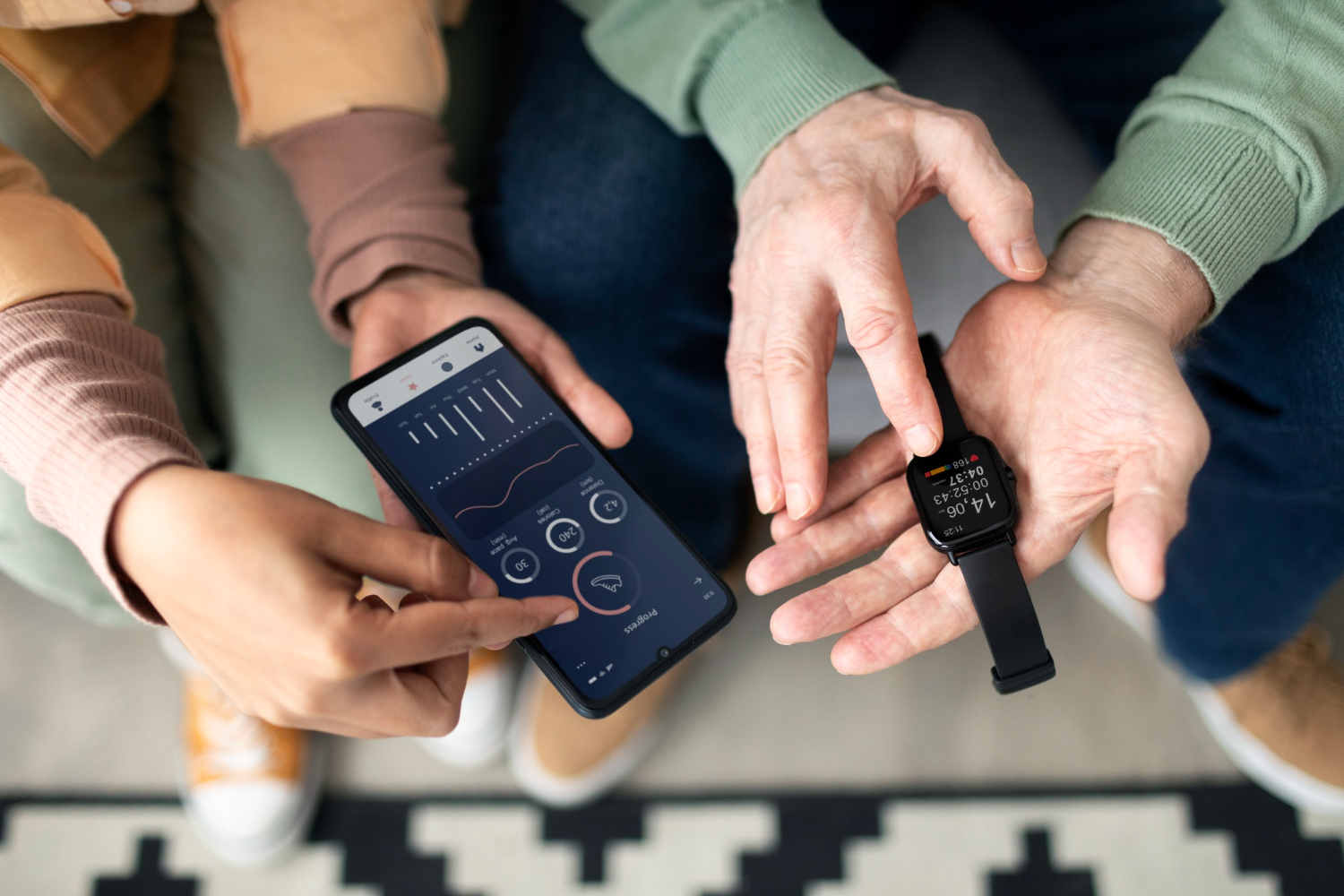
Wearable devices might sound high-tech but they’re rapidly becoming a practical part of modern, person-centred homecare.
Things like smart watches that monitor heart rate, detect falls or remind someone to take their meds. These tools quietly collect important information that carers can use to spot patterns or catch problems early.
Real-time health insights give carers a fuller picture of someone’s overall wellbeing and help tailor care even more closely to their needs.
In short, wearables help people stay safer, more independent, and more in control of their own health. They're especially helpful for individuals who live alone, giving both them and their loved ones peace of mind.
Achieving CQC Standards with Data-Driven Technologies
Keeping up with Care Quality Commission (CQC) standards is critical to running a great domiciliary care service.
Data-driven technologies help make this job more manageable. When care activities are recorded clearly and consistently, it’s easier to show what’s working well and what’s being done to improve.
During a CQC inspection, that kind of transparency speaks volumes. It shows a real commitment to doing things properly and offers clear evidence of putting people at the centre of care.
Technology can help across all five areas of safety, effectiveness, care quality, responsiveness and leadership.
For example, carers using a mobile app can log updates in real-time, meaning care managers have instant access to the latest information.
That kind of visibility supports faster decision-making and creates a more responsive homecare environment.
Making Technology Accessible and Effective
Successfully introducing and integrating technology into homecare settings relies on more than buying software or wearable devices.
It needs to work for your care team and your clients. That means offering practical training, answering questions without judgement, and checking in regularly to see how things are going.
When caregivers feel supported and equipped, their confidence in using technology naturally increases, leading to better care outcomes and more meaningful connections with clients.
The same goes for the people receiving care. Choosing devices and software that are easy to use and not overly complicated helps avoid frustration. Involving people in decisions about what tools are used is also a great way to boost engagement.
Explore the Benefits of Technology for Your Homecare Service
At Tagtronics, we believe technology should be practical, straightforward and genuinely beneficial to your service and clients.
If you’re thinking about improving your home care service with smart digital tools, we’d love to help.
Whether you’re just starting out or want to build on what you’ve got, our friendly team is ready to discuss how tailored, data-driven tools can transform your homecare service.
Get in touch today and see how simple, thoughtful tech could make life easier for your carers and brighter for the people you support.


 Innovative
  Trusted by hundreds of homecare companies to help the homecare frontline, to care better.