Spotting Early Warning Signs: How Carers Can Help Prevent Crises
September marks World Alzheimer's Month, with World Alzheimer's Day falling on 21 September. This day is a fitting reminder of something home care teams do every single day; noticing when something has changed and acting before a small worry turns into a full-blown crisis like the onset of dementia.
An early warning sign can be any shift in someone's behaviour, appearance, home environment or daily routine that suggests things aren't quite right. These subtle signs might show up as an unfinished breakfast, a quieter-than-usual chat on the doorstep, or post left unopened on the hall table for a week.
Spotting these signs comes down to two things working together.
One is what a carer notices: tone of voice, body language, a home that feels different. The other is what builds up in the data over time: missed medication prompts, shortened visits, patterns a single visit could never reveal on its own.
Treated separately, either one only tells half the story. Together, they're one of the most effective tools home care agencies have to reduce safety concerns for the elderly and deliver genuine person-centred care.
Carers and coordinators tend to notice changes across four broad areas:
- Behaviour and mood: withdrawal, agitation, confusion, or a personality that seems muted.
- Physical health and appearance: unsteadiness, weight change or a client who has stopped taking pride in how they look.
- Home environment and routine: clutter building up, unopened mail, missed appointments.
- Engagement with food, sleep and people: skipped meals, disrupted sleep, avoiding calls or visitors.
Behavioural and Personality Changes: What Carers Notice First
Carers are often the first people to notice behavioural changes linked to dementia, simply because they see someone regularly enough to know what “normal” looks like for that person.
A client who's usually keen to chat might start answering in short sentences. Someone who always took pride in their appearance might stop bothering with their hair or a clean jumper. A person who's typically calm might seem irritable or anxious for no obvious reason.
Part of a carers' role is to notice and flag personality changes in elderly people early, leaving a formal diagnosis to a GP or specialist. A health professional can then look into what's causing it, whether that's early cognitive decline, an infection, pain, or something else entirely. The earlier these shifts are raised, the calmer the response tends to be, leaving more options and less need to rush.
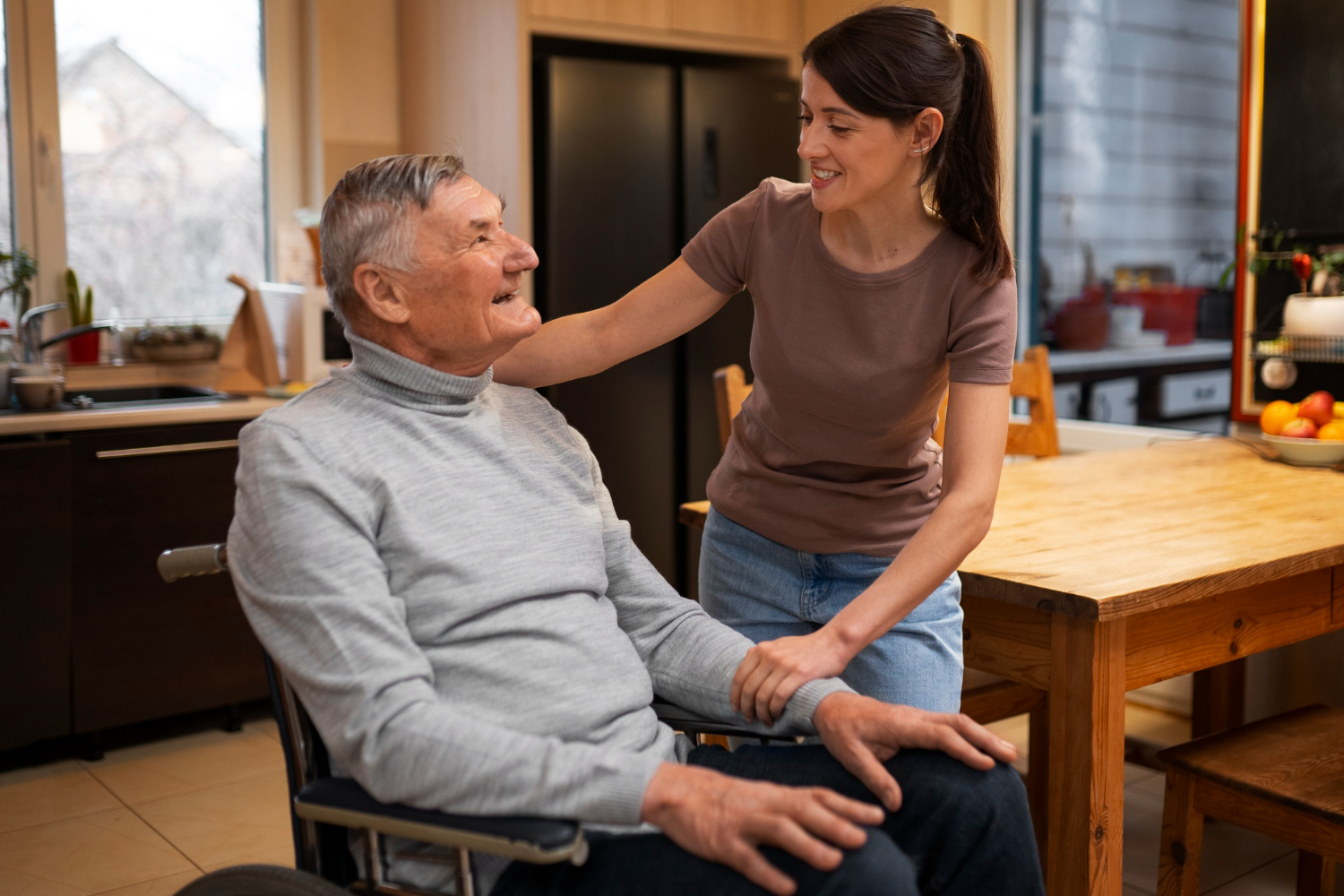
Environmental Cues and the Value of Familiar Faces
The room around a client can hold the biggest clue of all. Untouched meals in the fridge, curtains still drawn at midday, bills piling up unopened, or a normally tidy kitchen looking neglected can all point to someone struggling more than they're letting on.
Details like this are only spotted because the same one or two carers visit regularly. A rotating cast of unfamiliar faces might complete every task on the list without ever noticing that something's changed since last week.
That's why relationship-based care matters so much in practice. Familiarity is a comfort for the client and it's also what makes early detection possible. Care and support needs rarely change overnight. They drift and it takes a consistent, watchful eye to catch the drift before it becomes a fall, a hospital admission, or even worse.
Building a Baseline: How Data Supports Proactive Care
Instinct matters but it works best alongside a clear baseline. Good home care or care planning software can record visit durations, punctuality, medication timing, and notes on food, mood and sleep, building a complete picture of what is normal for each client over weeks and months.
A baseline makes pattern recognition possible. A single missed meal note or one late visit rarely means much on its own. Three shortened visits in a row, alongside two skipped medication prompts and a run of notes like “seemed a bit low today”, is a very different story. That's the sort of pattern that's almost impossible to catch by memory alone, but straightforward for a system to record.
The scale makes this matter even more. According to the Alzheimer's Society, someone in the UK develops dementia roughly every three minutes and one in three people born in the UK today will go on to develop the condition in their lifetime. With stats like that, proactive care built on both consistent recording and human judgement is how agencies can keep people safe at home for longer.
Two Sides of the Same Coin: Why Data and Instinct Work Best Together
Data and instinct work best side by side. A dashboard can't catch a change in someone's tone of voice, or the fact they didn't ask about their grandchildren this week. But a carer's gut feeling, however sound, won't catch a pattern spread across fifteen visits they weren't there for. When the two work together, early warning signs can turn into early action.
Picture a carer who notes “seemed low today” after a visit. On its own, that's a small observation. But when it sits in a system that shows three consecutive shortened visits and two missed meal entries that same week, it’s worth a phone call. That's what protects against real safety concerns for the elderly, and what person-centred care looks like in practice: paying close attention to the person and the pattern, not just one or the other.
Ready to Spot Changes Sooner? How TagCare Can Help
World Alzheimer's Month is a helpful prompt every September to see how well your agency combines notes with numbers, but we’d suggest it's worth thinking about all year round. As care and support needs shift (often gradually and quietly), agencies that catch change early tend to be the ones where good record keeping and genuine relationships work together.
For over 25 years, TagCare's home care software and care planning software has made this much easier, bringing carer notes, visit patterns and medication records altogether in one place, so nothing gets lost between a busy shift and an even busier office.
If you'd like to see how TagCare can help your team spot early warning signs sooner, get in touch for a friendly chat.





 Innovative
  Trusted by hundreds of homecare companies to help the homecare frontline, to care better.